Kyrgyzstan introduced a new bill pathologising trans people and enforcing gender conformity
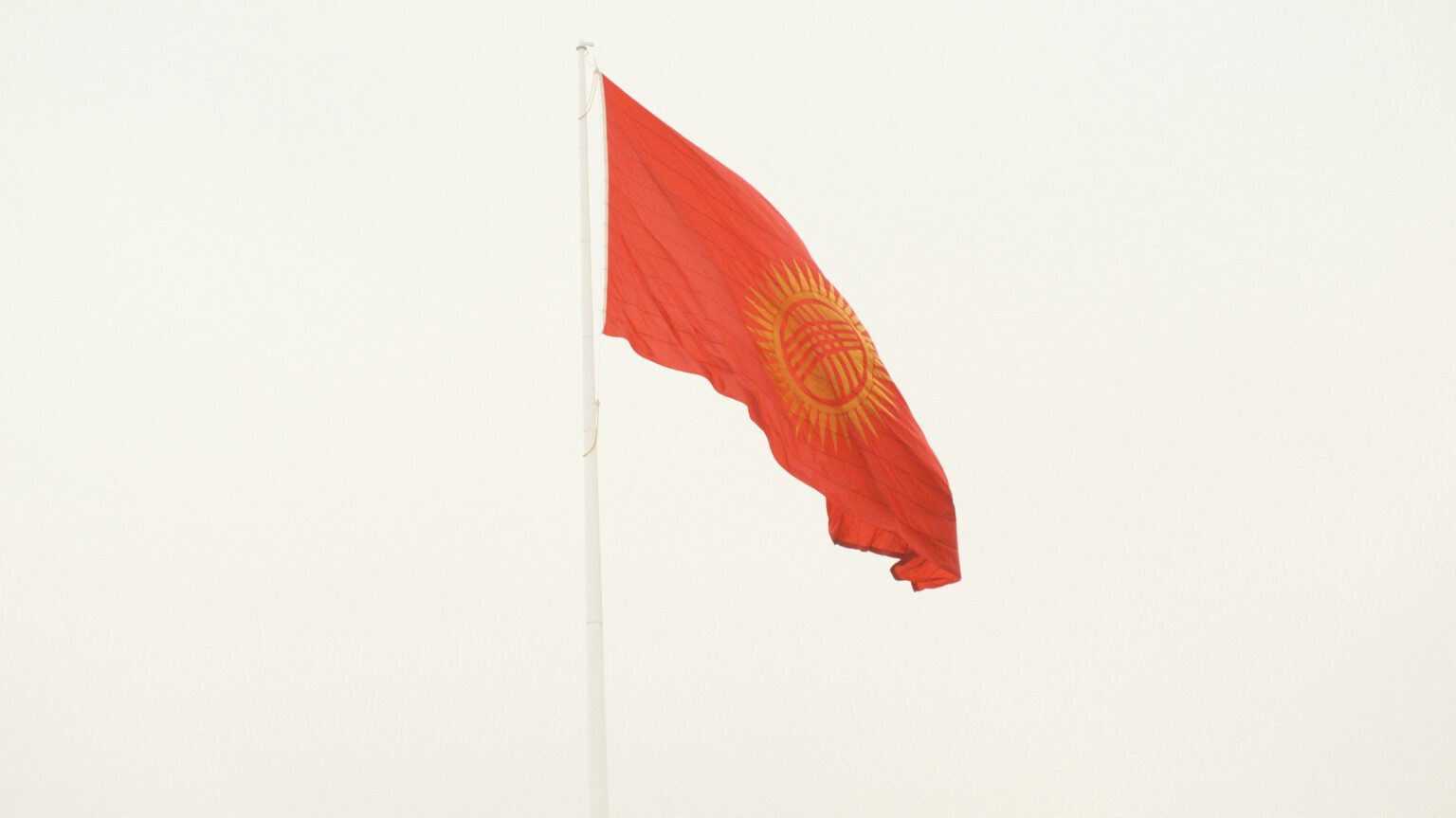
TGEU calls for the withdrawal of the draft law in Kyrgyzstan and urges lawmakers to refrain from adopting provisions that violate human rights.
On 30 January 2026, a draft law ‘On Amendments to the Legislative Acts of the Kyrgyz Republic’ was submitted for public discussion by MP Marlen Mamataliev.
The draft law introduces a binary definition of sex, directly targeting trans people, while also broadly affecting women, children, intersex people, and other groups. Although it does not define any clear or coherent model of ‘correct’ bodies, sex, gender, family, or behaviour, it effectively marginalises anyone who does not conform to an implied and state-enforced norm.
Content of the draft law
The draft proposes amendments to the Family Code of the Kyrgyz Republic, the Law of the Kyrgyz Republic ‘On Civil Status Acts’, and the Law ‘On Public Health of Citizens in the Kyrgyz Republic’, including:
- Ban on changing gender marker in official documents: only biological characteristics recorded at birth are recognised; medical and judicial grounds are excluded.
- Ban on medical interventions (surgical procedures, hormone therapy): only allowed for ‘congenital anomalies’, which pathologises intersex bodies and legitimises non-consensual interventions.
- Prohibition of parental support for gender non-confirming minors: prohibition of any actions affecting ‘sex self-awareness’, with parental duty to raise the child strictly according to their ‘biological sex’, excluding individual assessment of best interests and autonomy.
- Restrictions on marriage and parenthood based on biological sex; same-sex marriage is prohibited, and parenthood is strictly defined as ‘mother means woman’ and ‘father means man’.
Impact on local trans communities
Adoption of this draft law will have devastating consequences for trans people in Kyrgyzstan, as overnight their identities will become invalid. The complete ban on legal gender recognition and restrictions on access to medical care would increase discrimination against trans people in employment, housing, education, and healthcare, escalate violence, force the disclosure of private information, and cause mental and psychological harm, particularly among minors.
The draft law, in particular its vague prohibitions and linking of legal status to ‘biological sex,’ creates significant corruption risks by expanding the discretion of officials in issuing documents, accessing services, and conducting inspections. Once it becomes a law, it also risks effectively silencing parents of trans children, deterring them from publicly supporting their children or engaging in advocacy.
Activists warn that if all procedural steps follow the expected timeline, the draft could be adopted by the beginning of April 2026.
Read the explanatory note and the full draft law content in our policy brief.
Recommendations
European Union and international donors
- Urge Kyrgyz parliamentarians, especially the initiator, Mamataliev Marlen Abdyrakhmanovich, to withdraw the draft law and refrain from adopting any legislative measures that restrict the rights of trans, intersex, and gender diverse people.
- Engage the Government of Kyrgyzstan on the draft bill and underline that respect for human rights is a condition for keeping special low-tariff access to the EU market.
- Highlight the draft law’s risk to economic agreements under the EU-Central Asia Summit in Samarkand, international funding, and bilateral relations, due to non-compliance with human rights standards.
United Nations and international human rights mechanisms
- Request the government to ensure all legislation respects Kyrgyzstan’s obligations under international treaties, including the right to privacy, health, autonomy, and freedom from discrimination.
- Use UN review mechanisms to pressure the Kyrgyz government:
- CAT (2026-2027): Request information on measures to prevent arbitrary detention, ill-treatment, or coercive practices against trans people, especially trans women, in detention and public institutions.
- CEDAW (2026-2027): Ask the Kyrgyz government how it ensures trans and intersex women’s equal access to family law, healthcare, education, and protection from discrimination.
- UPR (mid-2028): Encourage these mechanisms to raise targeted questions and concerns regarding the draft law’s potential impact on human rights.
Global and regional advocacy organisations
- Publicly condemn the initiation and the content of the draft law.
- Stress that the draft law violates the rights of children to autonomy, identity, dignity, education, and healthcare, and undermines the principle of the child’s best interests.
- Remind lawmakers that the possibility of changing legal documents exists in countries with a wide variety of customs, traditions, and cultures, including those which are geographically and culturally close to Kyrgyzstan, such as Azerbaijan, Armenia, Belarus, Georgia, Kazakhstan, Latvia, Lithuania, Moldova, Ukraine, Estonia, Iran, China, and Mongolia.
Your support makes change possible
We work across Europe and Central Asia to advance trans rights, build strong communities, and drive change through research, advocacy, and community-building.
Your donation helps us continue this vital work — defending trans lives, amplifying trans voices, and advocating for justice every day.